
Let them eat cake.
In New Orleans – where we extract ritual from religion and from reverence, find our revelry – everything is sacred and nothing is sacred at all. It’s an attitude that looks on ceremony and asks, why not a celebration instead? Contradiction is woven in and out of the tapestry of our traditions and never more pronounced than during Carnival—an otherwise secular phenomenon derived from our holiest of seasons.
It all starts with Twelfth Night on January 6th— the festive full-stop of Christmas that makes way for the merriment and mischief of Mardi Gras. While “Twelfth Night†is a reference to the twelfth night after Christmas Day, it’s also called Epiphany, Three Kings Day, and to make matters more complicated, January 6th is also called Kings’ Day, and as you might know, is the first day of King Cake season.
And, yes, that’s a lot to keep up with, any way you slice it.
So, what is Twelfth Night and Kings’ Day, and why is it important? We can trace its origins back to pre-Christian Europe in Roman winter celebrations of Saturnalia and traditional Celtic Yule feasts, each with slight variations and interpretations of a central theme—choosing a king.
In one Celtic custom, “Sacred King,†a king was sacrificed so that his anointed blood could fertilize the land and crops. At the urging of clergy, this tradition was renamed “Lord of Misrule†and overhauled into what most closely reflects the traditional Carnival we know and love today—a slightly more festive celebration with demonstrably less bloodshed in favor of wine and dancing…and cake.
Back then, it was a “fancy bread†and every year the village asked every eligible man to pull just one piece. Whoever pulled the piece containing a single gold or silver bean ruled the land as king, however briefly. It’s the sheer novelty of cake as a device to choose a commoner to be king that is both edifying and endearing.
As celebrations, Twelfth Night and Kings’ Day carried on from village to village and throughout Britain, Ireland, Spain, and France—eventually arriving in New Orleans with French settlers who introduced gateau des rois (king cake.) It was a ritual further refined by the Creoles, and in 1870, when Twelfth Night Revelers rolled through the streets, New Orleans ushered in its very first Mardi Gras parade and ball with little to no foresight for what it would become.
There you have it—Twelfth Night & Kings’ Day! Proof positive that after all these years, there’s much more to Mardi Gras than parades. Carnival is an attitude; it’s the joie de vivre that gives you king cake—and the permission to eat it, too.
Events
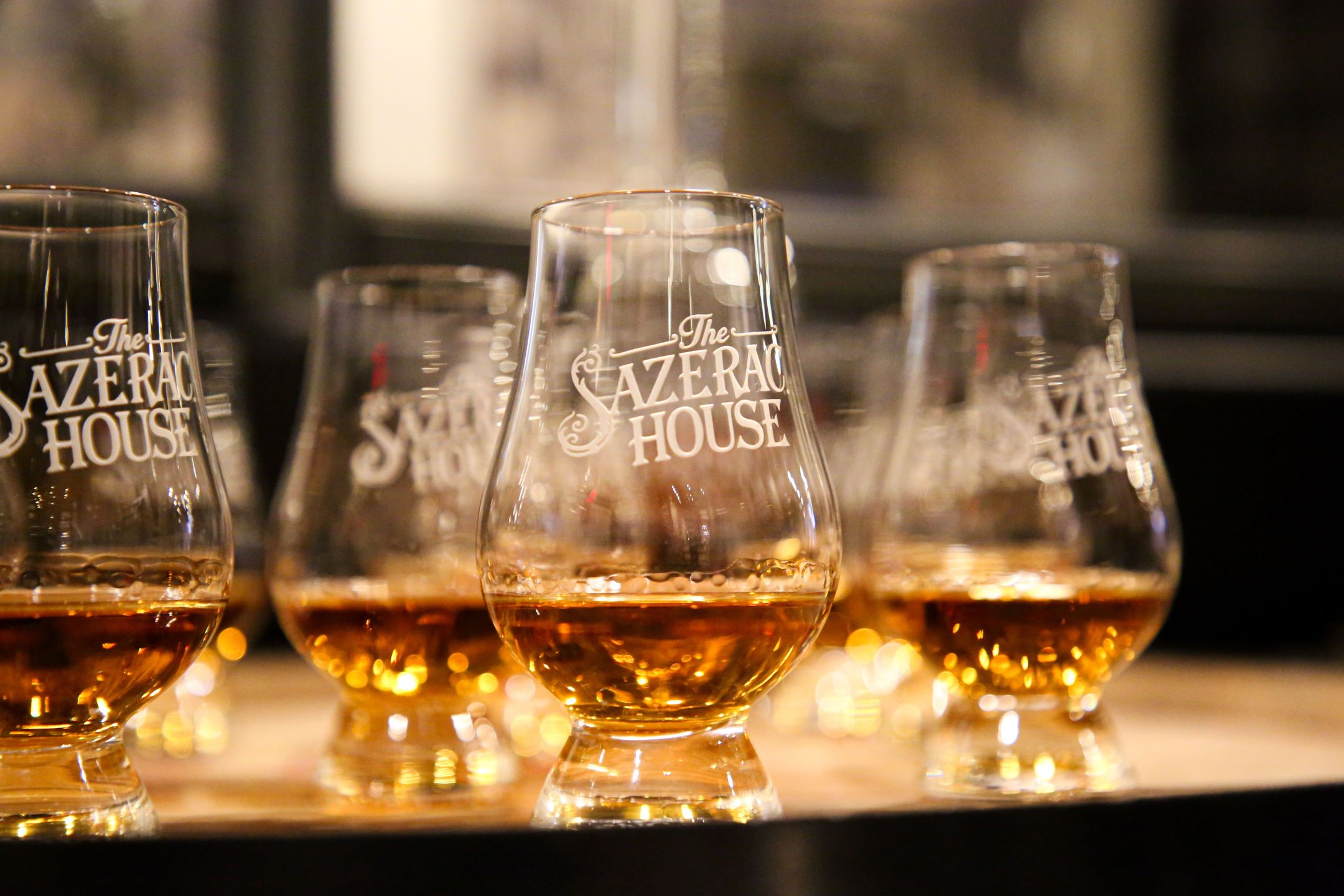
Premium Whiskey Grid Tasting (BTAC Collection)
Indulge in a premier evening of bourbon exploration. Embark on a sensory journey through the world of fine spirits during this exclusive 90-minute tasting experience. During the event, guests will be treated to Sazerac's complete BTAC Collection: five, 3/4 oz pours of the most esteemed bourbons, Sazerac 18 Year Old (Rye), Eagle Rare 17 Year Old (Bourbon - Aged), William Larue Weller (Wheated), George T. Stagg (Bourbon - Barrel Proof), and Thomas Handy. All guests must be 21 to participate. Cancellations and refunds will only be provided with at least 72 hours' notice in advance of the class time.
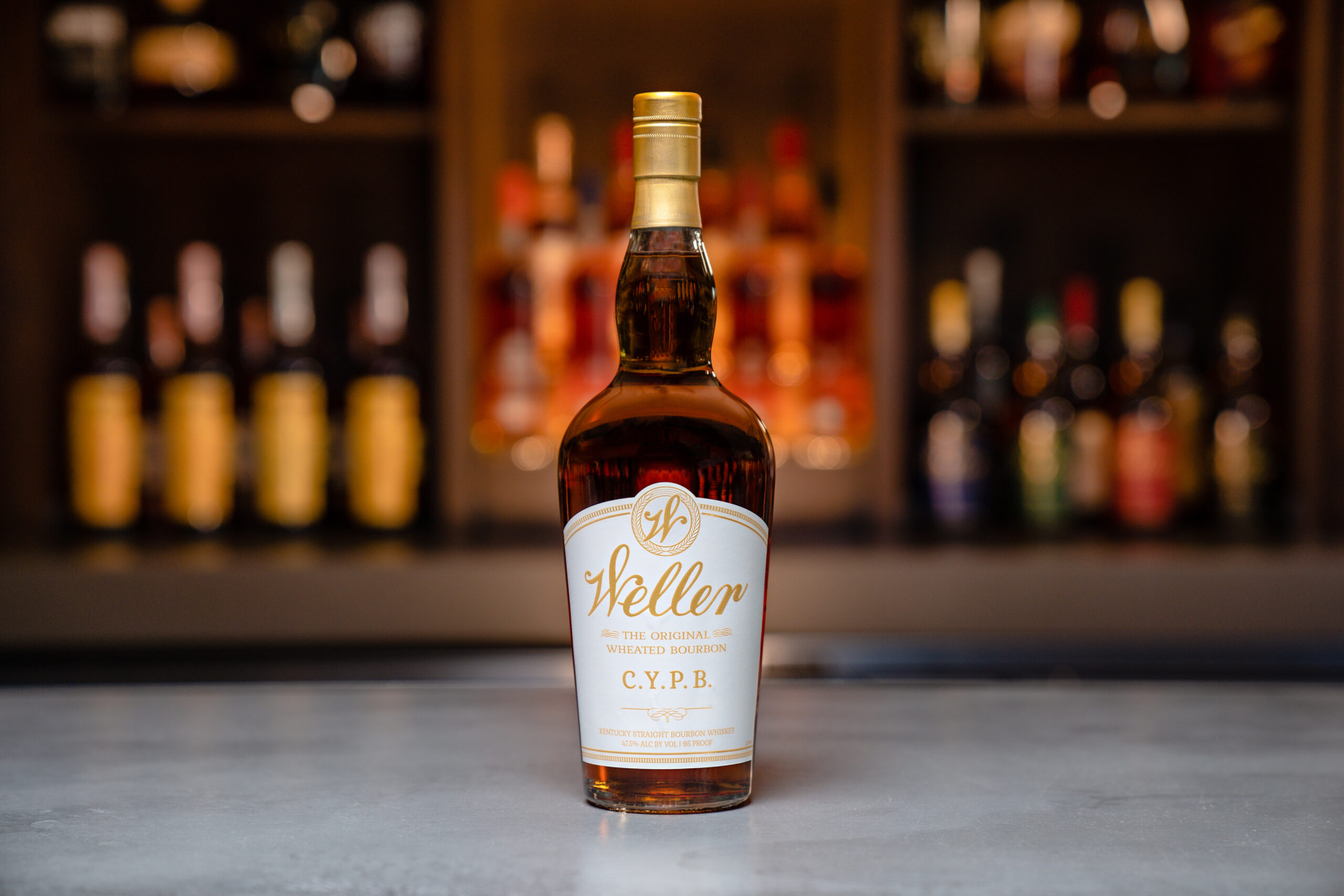
Wheated Bourbon Origins Experience
Explore the legacy of Pappy Van Winkle and the innovation that transformed bourbon by replacing rye with wheat, creating the smooth, approachable style known today as wheated bourbon. Enjoy a guided tasting featuring three elevated expressions of Weller, the Original Wheated Bourbon, before concluding with a rare taste of one of the world's most sought-after bourbons. Discover the history, craftsmanship, and lasting influence behind bourbon's most iconic wheated whiskey tradition.
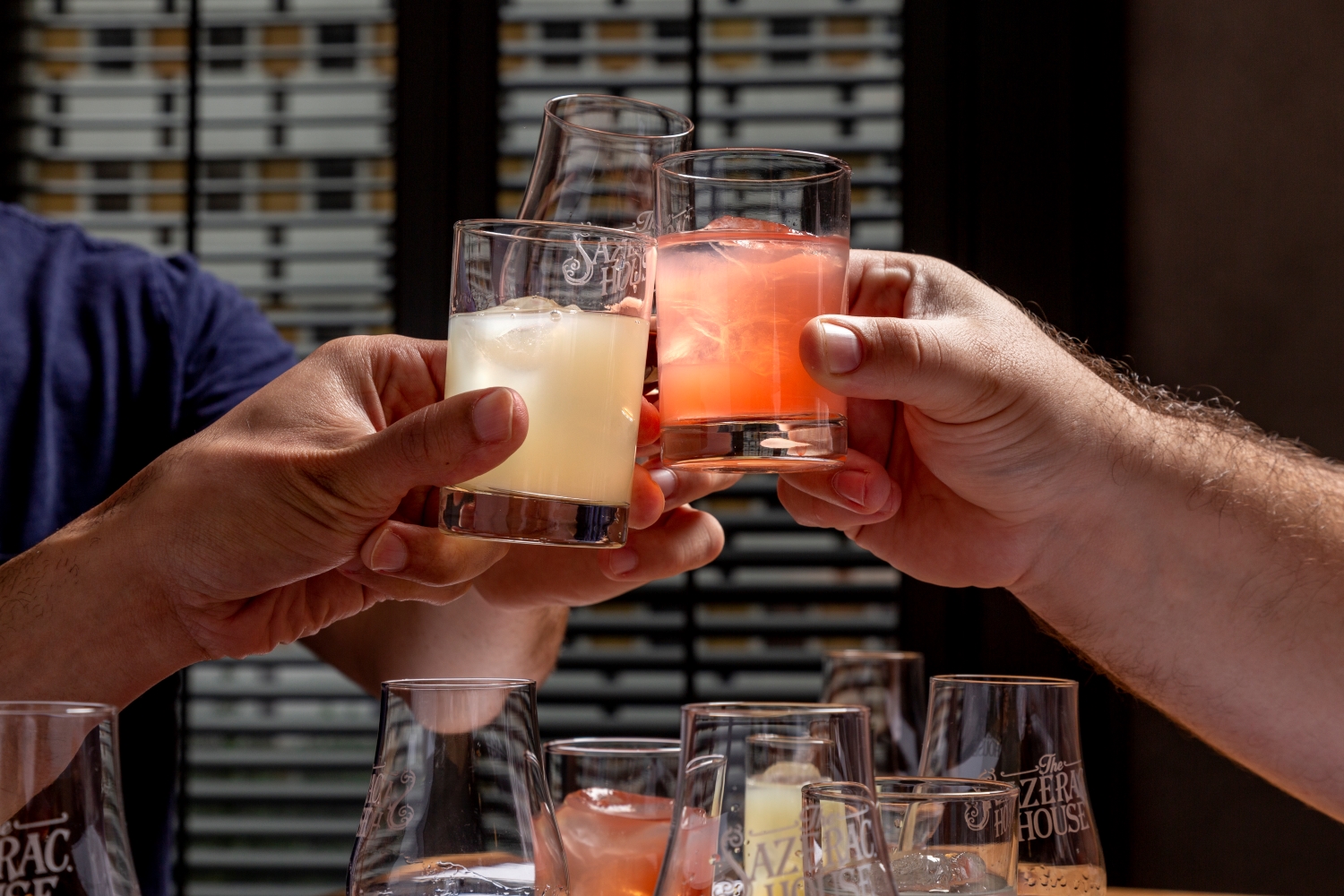
Hosting the Holidays Class
Raise your spirits with a guided holiday cocktail experience that blends festive fun with the rich history behind classic drinks like the Espresso Martini, French 75, and Milk Punch—each with a seasonal twist. Perfect for a cheerful date night or for mastering cocktails that will wow your friends and family at your next holiday gathering. 21+ only.
Meet the Distiller: Small Group Tour & Tasting
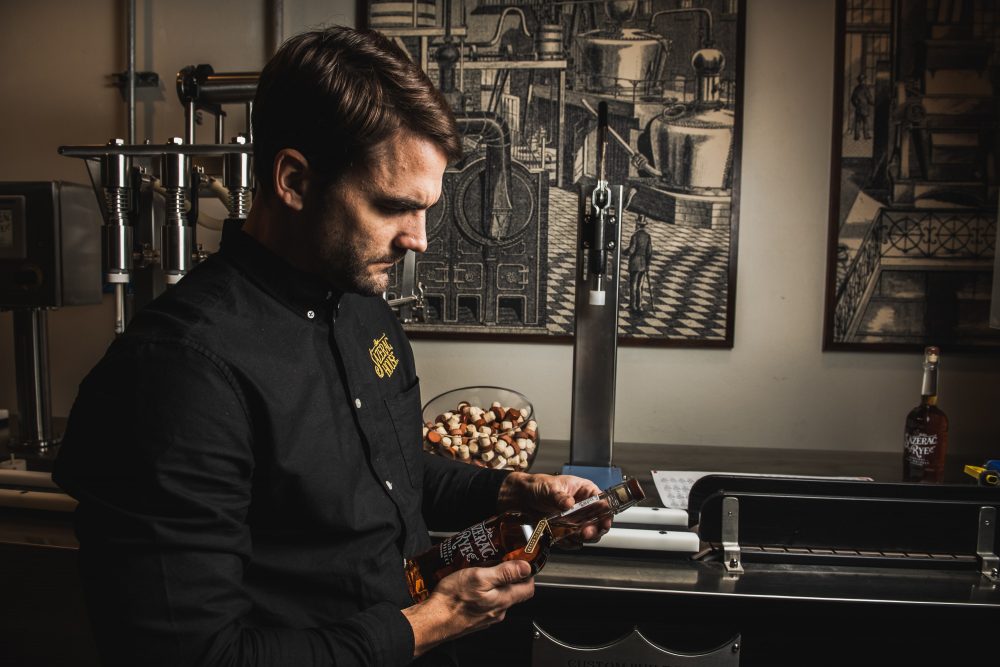
Step behind the scenes with the artisans who bring Sazerac’s legendary spirits to life. “Meet the Distiller” is an exclusive, hour-long experience that begins with a private VIP tour through the Sazerac House distillery and historic Apothecary. Guests will enjoy insider access, behind-the-barrel stories, and a rare glimpse into the craft and science of our production process. Following the tour, you’ll join our distiller in their private tasting room for a curated guided tasting of four Sazerac expressions — hand-selected and presented by the distiller. This intimate setting allows guests to explore the flavors, techniques, and traditions that define our spirits.